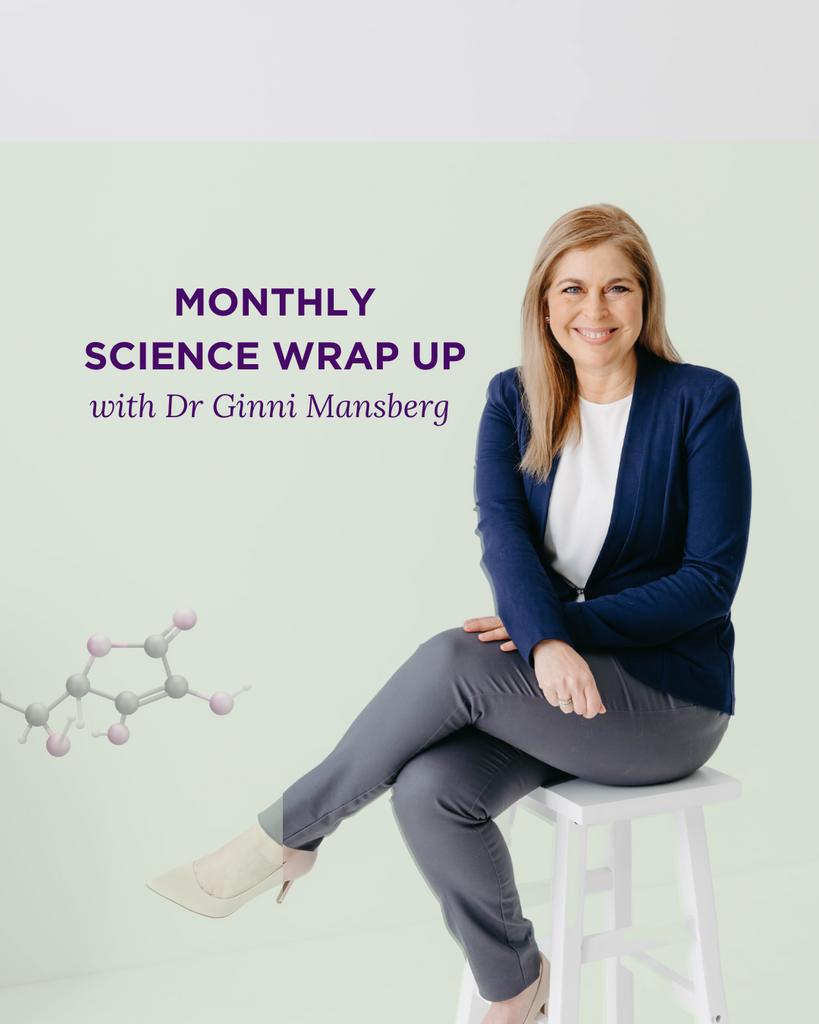

September is Polycystic Ovarian Syndrome (PCOS) Awareness Month, so we’re delving into this common but often missed hormonal condition that impacts nearly 20% (!) of women.
Acne is a common feature of PCOS, and because skin is our thing, we’ll discuss the evidence-based skincare ingredients that are best for this type of hormonal acne. But we’ll also cover the basics of PCOS and answer some FAQs to do our bit to raise awareness of this important condition.
Let’s get stuck in!
What is PCOS?
PCOS is a complex hormonal condition affecting up to 20% of women of reproductive age. While it might sound like a disease of the ovaries, it's actually all about hormones – specifically, an excess of androgens (commonly known as "male" hormones) and elevated insulin levels.
The cause isn’t known but is probably a combination of genetics and lifestyle factors.
What are the symptoms?
PCOS symptoms can vary among women and over different life stages.
They include:
- irregular or infrequent periods
- difficulty getting pregnant
- excess hair growth on the face or body
- acne (sometimes severe) on the face, chest, or back
- weight gain, with an increased risk of type 2 diabetes and cardiovascular disease
- mood problems like depression and anxiety
- there may be a family history of PCOS or fertility problems.
All in all, pretty unpleasant.
How do I know if I have it?
Shockingly, around 70% of women with PCOS remain undiagnosed. When (if!) the diagnosis is finally made, it is often when a woman is in her 20s or 30s and is having trouble falling pregnant.
The good news is there are plenty of resources available for women and their doctors, included as part of some new - and long overdue - guidelines developed by a team of international experts. Check out their app, which includes a self-assessment quiz.
If you have any of the symptoms listed above, especially if you are over 25 and have acne (hormones are the likely culprit), it’s worth a chat with your doctor.
Your doctor will take a history, examine you, and may order some further tests.
How do you treat PCOS?
Thankfully, there are many treatment options for PCOS. The approach depends on your personal situation, symptoms, and whether you're trying to conceive or not.
Options include:
- the oral contraceptive pill
- other prescription meds like metformin or anti-androgens
- fertility treatments
- lifestyle factors to manage weight and the increased risk of diabetes and heart disease focussing on:
- treatments for excess hair, like laser hair removal
- treatments for acne
What's the best skincare for PCOS?
Which brings us to skincare and acne flare-ups.
PCOS skin tends to have extra sebum (oil) production and an impaired skin barrier thanks to the increased action of androgens, all of which cause acne.
While addressing the hormone imbalance of PCOS should help the acne, a solid skincare routine with scientifically-backed active ingredients has proven benefits:
- Gentle Cleanser: Make sure it’s soap-free, soap is irritating, dries out the skin and disrupts its chemistry.
- Hydroxy Acids:
Alpha hydroxy acids (AHAs, like glycolic and lactic acid) gently exfoliate, break down pimples, and improve the absorption of other ingredients like retinal.
Salicylic acid (often referred to as a beta hydroxy acid or BHA) fights inflammation and bad bacteria; a proven acne warrior that’s well tolerated.
Polyhydroxy acids (PHAs) are the new kids on the block, showing promise against acne.
3. Vitamin A: Retinoids are the superheroes of topical acne treatment, promoting skin cell turnover and reducing pimples. Prescription retinoids commonly cause irritation; retinal (aka retinaldehyde) is the best of the over-the-counter retinoids. It’s clinically proven to be 20 times more powerful than its old school cousin retinol, and is extremely well tolerated.
4. Vitamin B3 (Niacinamide): This multi-tasker battles inflammation, bacteria, and curbs excess sebum production. It also boosts the skin barrier function by preventing water loss through the epidermis.
5. Sunscreen: UVA & UVB rays from the sun can trigger inflammation and acne flare-ups. Daily use of a non-comedogenic (non-pimple producing) broad spectrum sunscreen is a must, even in winter. A zinc sunscreen is ideal; zinc oxide is not only non-comedogenic, it also reduces sebum production.
6. Microneedle Patches: Relatively new in skincare, microneedle patches have been found to be both anti-bacterial and anti-inflammatory in acne. The tiny microneedles can painlessly penetrate the outer layers of the skin to effectively deliver actives where they’re needed.
Of course, ESK has you covered with our Acne Kit and Spotless patches, packed full of these evidence-based ingredients to form part of your PCOS management plan.
Acne shows up when your skin responds with inflammation to an excess of the C Acnes bacteria. Excess oil production and an irregular skin cell turnover combine to block pores in the skin creating the conditions where the bacteria flourish. Designing a skincare regimen with this in mind is the first step to helping get your skin under control.
Acne-prone/Oily kit
This kit is designed for oilier, acne-prone skin. Using ingredients with strong scientific evidence, it helps maintain a balanced skin surface, supports an even-looking skin tone, and helps improve appearance and texture. The formulation also supports hydration without feeling heavy or greasy.
Microneedle patches. Our Spotless Patches are your new go-to for tackling early-stage bumps, right from home! Each pack includes 8 patches, each patch packed with 300 dissolving, painless Hyaluronic Acid microneedles. These microneedles deliver a potent blend of ingredients like salicylic acid, vitamin B3, tea tree oil, and green tea directly to the spot. This powerful formula works to calm and clear the skin and helps you stop bumps in their tracks. Keep a pack on hand for a quick, targeted solution that’s easy, effective, and skin-friendly. Say goodbye to surprise unwanted blemishes and hello to clear, confident skin! Featuring; Each pack contains 8 patches. Each patch is single use.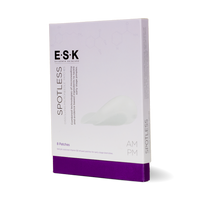
Spotless: Microneedle Patches
If you suspect you might have PCOS, please don’t suffer in silence. Talk to your doctor, help is available.
PCOS Resources
https://www.jeanhailes.org.au/health-a-z/pcos
References:
https://pubmed.ncbi.nlm.nih.gov/20591140/
https://www.europeanreview.org/article/15491
https://www.sciencedirect.com/science/article/abs/pii/S0738081X16302656?via%3Dihub
https://www.askpcos.org/articles/what-is-wrong-with-name-pcos
https://research.monash.edu/en/publications/polycystic-ovary-syndrome-5
https://www.askpcos.org/articles/symptoms-of-pcos
https://www.monash.edu/__data/assets/pdf_file/0010/1459243/pcos-gp-tool.pdf
https://www.ncbi.nlm.nih.gov/pmc/articles/PMC8826298/
https://www.monash.edu/__data/assets/pdf_file/0009/1410858/PCOS-Quiz.pdf
https://www.askpcos.org/topics/management-and-treatment
https://www.ncbi.nlm.nih.gov/pmc/articles/PMC5015761/
https://www.monash.edu/medicine/sphpm/units/womenshealth/info-sheets/metformin-pcos
https://www.ncbi.nlm.nih.gov/pmc/articles/PMC6396642/
https://www.askpcos.org/articles/lifestyle-management
https://pubmed.ncbi.nlm.nih.gov/34788426/
https://www.ncbi.nlm.nih.gov/pmc/articles/PMC9319705/
https://academic.oup.com/jes/article/6/3/bvac003/6523224
https://www.ncbi.nlm.nih.gov/pmc/articles/PMC3579484/
https://www.ncbi.nlm.nih.gov/pmc/articles/PMC6360964/
https://www.dovepress.com/getfile.php?fileID=32211
https://www.ncbi.nlm.nih.gov/pmc/articles/PMC5300732/
https://pubmed.ncbi.nlm.nih.gov/9407174/
https://www.racgp.org.au/getattachment/a2b9ec63-33c1-4445-9180-08110c475077/attachment.aspx
https://pubmed.ncbi.nlm.nih.gov/25315288/
https://www.ncbi.nlm.nih.gov/pmc/articles/PMC4554394/
https://www.ncbi.nlm.nih.gov/pmc/articles/PMC3047947/
https://pubmed.ncbi.nlm.nih.gov/1303072/
https://www.ncbi.nlm.nih.gov/pmc/articles/PMC5574737/
https://pubmed.ncbi.nlm.nih.gov/25219827/
https://onlinelibrary.wiley.com/doi/10.1111/j.1529-8019.2006.00086.x