


The ESK blog
What is PCOS and why does it make me break out?
19 August 2024
Fiona Clark
Polycystic Ovarian Syndrome, or PCOS, is a common but often missed hormonal condition that affects between 6 and 20% of women. Whilst the symptoms vary from one person to another, up to 75% of women with PCOS suffer from acne.
So what is PCOS, why does it cause acne and, most importantly, what can you do about it?
What is PCOS?
Thanks to its name, you’d be forgiven for thinking that PCOS is a disease of the ovaries. Whilst some women with PCOS do have multiple cysts in their ovaries, not all do, and many women have similar looking ovaries but don’t have PCOS. So what gives?
The true culprit in PCOS is not the ovaries, but hormones. Specifically, an excess of androgens, or hormones often associated with men but women have them too, and high levels of insulin with associated insulin resistance.
We don’t know yet what the cause is, but it’s probably a combination of genetics and lifestyle factors.
What are the symptoms of PCOS?
Whilst it’s different for everyone, the most common symptoms are:
- Irregular periods
- Acne
- Hirsutism (excess hair growth)
- Fertility issues
- Weight gain
- Mental health effects like depression and anxiety
Diagnosis involves a trip to your doctor and, if the symptoms are suggestive, some blood tests and maybe an ultrasound of the ovaries.
But why am I breaking out??
There are several steps on the pathway to PCOS acne. And just to complicate matters, it’s a circular pathway, with every step contributing to all the others. Hello vicious circle.
Oilier Skin: The skin’s sebaceous glands, where sebum, AKA oil, is produced are very sensitive to androgen hormones. When the androgen levels go up, so does the sebum production and voila, oily skin, one of the key drivers of acne. The composition of the oil changes too, with different types of lipids taking over which can mess up the skin barrier.
Bad Bugs: Cutibacterium acnes (known as C. acnes to its friends) is a skin bacteria that we know is one of the primary drivers of acne – but C. acnes is part of the normal flora of the skin and doesn’t cause any problems for people without acne. So why is it acting up in PCOS skin? Here again, we have the excess and altered make-up of the sebum providing ideal conditions for these nastier strains of C. acnes to flourish, which in turn kill off the good bacteria that normally keep it in check. Other virulent strains of usually harmless bacteria can also join the party and we are now well on the road to inflammation.
Comedone (Pimple) City: C. acnes and its accompanying inflammation lead to hyperkeratinisation, or overproduction of the superficial skin cells, along with a slower skin cell turnover. Hello blocked pores, causing pimples and blackheads, AKA comedones, and more inflammation. AND (just in case there wasn’t enough bad news) this all sets off abnormal immune responses in the skin, triggering more inflammation, growth of C. acnes and its diabolical germ friends.
Please tell me some good news! What are the treatment options for PCOS?
Whilst there is no cure for PCOS (yet) there are a LOT of treatment options to bring things under control:
Lifestyle changes: Maintaining a healthy weight with a balanced diet and daily exercise can help regulate menstrual cycles and improve insulin sensitivity. Managing stress and getting enough sleep can also help with mental health issues and it certainly won’t hurt your skin either!
Medications: Because PCOS is basically a hormone problem, there are several medications that can help:
- The oral contraceptive (birth control) pill reduces androgen levels, which regulates periods and controls acne.
- Metformin, a treatment for type 2 diabetes, works by improving sensitivity to insulin. We now have good evidence that it helps with many of the PCOS symptoms including acne.
- Other anti-androgen medications can manage unwanted hair growth (hirsutism) and acne. These can be an option for people who can’t take the contraceptive pill.
Which brings us to the skin..
Whilst PCOS medications will go a long way to helping your skin, you still need a skincare regime with proven active ingredients that target the main culprits:
Gentle Cleanser: Make sure it’s soap-free, soap is irritating, dries out the skin and disrupts its chemistry. And no physical scrubs or vigorous rubbing please! Gently does it.
Our Calming Cleanser is a non-foaming, coconut sugar-based formula with a gentle pH of 4.5-5, making it ideal for sensitive skin types, including those with eczema and rosacea. This creamy cleanser effectively removes impurities while preserving the skin’s natural hydration and pH balance. Its non-soap formula minimises irritation and dryness, providing a soothing cleanse without disrupting the skin barrier. Designed for sensitive skin, Calming Cleanser avoids harsh ingredients like astringents, camphor, and menthol, which can trigger irritation. Gentle yet thorough, it supports a healthy microbiome and barrier, leaving skin calm, soft, and ready for the next step in your routine. Featuring; A creamy soap-free cleanser for skin that needs a gentle, silky wash.
Calming Cleanse
Vitamin A: Retinoids are the superheroes of topical acne treatment, controlling excess oil production, promoting skin cell turnover and reducing pimples. Prescription-strength retinoids commonly cause irritation; retinal (aka retinaldehyde) is the best of the over-the-counter retinoids. It’s clinically proven to be 20 times more powerful than its old-school cousin retinol, and is extremely well tolerated.
Building on the proven performance of Ultimate A, Ultimate A+ Night Cream is designed for those looking to refine texture and tone or support skin prone to congestion. With 0.1% Retinal (the next-generation form of Vitamin A), Niacinamide, and 2% Glycolic Acid, this formula delivers visible improvements while remaining gentle and well tolerated. This unique combination supports smoother-looking skin, helps refine the appearance of pores and uneven tone, and promotes a more hydrated, balanced complexion. Featuring: Potent yet gentle formulation suitable for daily use Helps improve the appearance of uneven tone and texture Supports firmer, more supple-looking skin Formulated with evidence-based ingredients known to enhance skin clarity Note: Retinal is not suitable for use during pregnancy.
Ultimate A+
Salicylic Acid: A gentle exfoliator that cleans out pores, is anti-inflammatory, antimicrobial and super well tolerated.
Our Hydroxy Overnight Mask is your go-to for clearer, glowing skin! With 5% salicylic acid and 10% urea, it’s a powerful yet gentle way to take on blemishes and keep skin hydrated. In oiler skin, Salicylic acid gently exfoliates for a smooth finish, while urea deeply moisturises. Use it as a spot treatment, or apply it once a week for an all-over refresh. Just cleanse, apply, and let this overnight mask work its magic while you sleep—wake up to softer, clearer, and radiant skin ready to take on the day!
Hydroxy Overnight Mask
Featuring;
- Gentle exfoliators for a weekly skin refresh
- Convenient size means you can keep it on hand to tackle blemishes when and wherever they happen
Vitamin B3 (Niacinamide): An effective multi-tasker that battles inflammation, bacteria, and curbs excess sebum production. It also boosts the skin barrier function by preventing water loss.
B Calm is formulated to support irritable and blemish prone skin while maintaining a healthy skin barrier. Ceramides strengthen resilience, Salicylic Acid exfoliates and calms the skin, and Niacinamide helps regulate oil and reduce the appearance of blemished skin.
B Calm
Featuring:
- Ingredients to support an improved skin barrier
- Helps manage excess oil production
- Supports a clearer-looking skin
Hydroxy Acids: Alpha hydroxy acids (AHAs, like glycolic, lactic and citric acid) gently exfoliate, break down pimples, and improve the absorption of other ingredients like retinal. Polyhydroxy acids (PHAs) are the new generation of hydroxy acids, showing promise against acne without the irritation or stinging that sometimes happen with AHAs.
Smooth Serum is a night treatment formulated with 3% Glycolic acid, 1% Lactic acid, and 1% Gluconolactone. This gentle AHA blend supports the appearance of skin texture and surface renewal, helping maintain the look of even skin tone. Caution: Not recommended for very sensitive skin or skin prone to rosacea.
Smooth Serum
Key features:
Daily Sunscreen: UVA & UVB rays from the sun can trigger inflammation and acne flare-ups. Daily use of a non-comedogenic (non-pimple producing) broad spectrum sunscreen is a must for acne, even in winter. A zinc sunscreen is ideal; zinc oxide is not only non-comedogenic, it also reduces sebum production.
Zinc Shade is a lightweight matte day cream and primer. Its non-greasy, matte finish allows for smooth application and works well under makeup. We spent countless iterations perfecting this lightweight, non-greasy formula to avoid the typical white cast and thick feel of zinc products. The results? A matte finish that works beautifully under makeup. With well tolerated matte finish, it's also well suited to irritable and blemish and bump prone skin. With SPF 15 it also provides broad-spectrum sun protection against UVA and UVB rays. Key features: Lightweight, matte formula suitable for daily use Smooth application with minimal white cast Broad-spectrum UV protection Tested SPF 15 with enhanced UVA coverage Usage: Apply evenly to all exposed areas of skin before sun exposure. Reapply as needed throughout the day.
Zinc Shade
Microneedle Patches: Relatively new in skincare, microneedle patches have been found to be both anti-bacterial and anti-inflammatory in acne. The tiny microneedles can painlessly penetrate the outer layers of the skin to effectively deliver actives where they’re needed. Great as a spot treatment!
Microneedle patches. Our Spotless Patches are your new go-to for tackling early-stage bumps, right from home! Each pack includes 8 patches, each patch packed with 300 dissolving, painless Hyaluronic Acid microneedles. These microneedles deliver a potent blend of ingredients like salicylic acid, vitamin B3, tea tree oil, and green tea directly to the spot. This powerful formula works to calm and clear the skin and helps you stop bumps in their tracks. Keep a pack on hand for a quick, targeted solution that’s easy, effective, and skin-friendly. Say goodbye to surprise unwanted blemishes and hello to clear, confident skin! Featuring; Each pack contains 8 patches. Each patch is single use.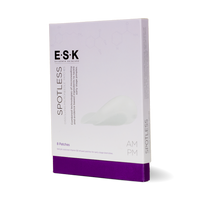
Spotless: Microneedle Patches
A diagnosis of PCOS is not easy, and managing the symptoms, including the breakouts, is definitely a journey. It requires a holistic approach, part of which is understanding what’s happening in your skin and which active ingredients are proven to help restore clearer, healthier skin.
References:
https://www.ncbi.nlm.nih.gov/pmc/articles/PMC9832677/
https://pubmed.ncbi.nlm.nih.gov/33355023/
https://www.ncbi.nlm.nih.gov/pmc/articles/PMC2968725/
https://www.ncbi.nlm.nih.gov/pmc/articles/PMC8945152/
https://www.ncbi.nlm.nih.gov/pmc/articles/PMC9832677/
https://research.monash.edu/en/publications/polycystic-ovary-syndrome-5
https://www.askpcos.org/articles/symptoms-of-pcos/
https://www.monash.edu/__data/assets/pdf_file/0003/3379521/Evidence-Based-Guidelines-2023.pdf
https://academic.oup.com/jes/article/6/3/bvac003/6523224
https://www.ncbi.nlm.nih.gov/pmc/articles/PMC3969667/
https://www.ncbi.nlm.nih.gov/pmc/articles/PMC1123998/
https://www.tandfonline.com/doi/abs/10.1080/095466300750163645?journalCode=ijdt20
https://www.ncbi.nlm.nih.gov/pmc/articles/PMC3780801/
https://www.askpcos.org/topics/management-and-treatment/
https://www.ncbi.nlm.nih.gov/pmc/articles/PMC9841505/
https://www.ncbi.nlm.nih.gov/pmc/articles/PMC5721684/
https://www.ncbi.nlm.nih.gov/pmc/articles/PMC8826298/
https://www.ncbi.nlm.nih.gov/pmc/articles/PMC10424142/
https://pubmed.ncbi.nlm.nih.gov/9407174/
https://www.ncbi.nlm.nih.gov/pmc/articles/PMC3366450/
https://www.ncbi.nlm.nih.gov/pmc/articles/PMC5574737/
https://pubmed.ncbi.nlm.nih.gov/25219827/
https://onlinelibrary.wiley.com/doi/10.1111/j.1529-8019.2006.00086.x
https://pubmed.ncbi.nlm.nih.gov/24666361/
https://www.ncbi.nlm.nih.gov/pmc/articles/PMC2699641/
https://pubmed.ncbi.nlm.nih.gov/10473964/
https://pubmed.ncbi.nlm.nih.gov/10953445/
https://www.ncbi.nlm.nih.gov/pmc/articles/PMC3047947/
https://pubmed.ncbi.nlm.nih.gov/16871773/
https://pubmed.ncbi.nlm.nih.gov/17147561/
https://www.racgp.org.au/getattachment/a2b9ec63-33c1-4445-9180-08110c475077/attachment.aspx
https://pubmed.ncbi.nlm.nih.gov/25315288/
https://www.mdpi.com/1422-0067/22/8/3974
https://www.ncbi.nlm.nih.gov/pmc/articles/PMC6052742/
https://www.ncbi.nlm.nih.gov/pmc/articles/PMC3781714/