

16,393+ Five-Star Reviews
5 Reasons Why Your Vitamin C Serum Won't Fade Your Dark Spots
You've been consistent. You're wearing SPF. You're using your Vitamin C every day. And the dark spots are still there. Here's why - and what to do instead.

1
Vitamin C Is an Antioxidant - Not a Pigment Inhibitor
Here's the uncomfortable truth: Vitamin C was never designed to treat hyperpigmentation. Its primary job is acting as an antioxidant - neutralising free radicals and protecting against environmental damage. It can give you a general "glow" and help brighten overall skin tone, but that's very different from actually fading dark spots.
Dark spots are caused by excess melanin production triggered by an enzyme called tyrosinase. Vitamin C doesn't directly inhibit tyrosinase. So while it's doing good things for your skin, it's not addressing the root cause of your pigmentation.
Dark spots are caused by excess melanin production triggered by an enzyme called tyrosinase. Vitamin C doesn't directly inhibit tyrosinase. So while it's doing good things for your skin, it's not addressing the root cause of your pigmentation.
2
Most Vitamin C Serums Have Already Oxidised Before They Touch Your Skin
L-Ascorbic Acid - the most studied form of Vitamin C - is notoriously unstable. It degrades rapidly when exposed to light, heat or air. That amber serum you've been applying? If it's turned darker, it's already oxidised and delivering a fraction of its potential benefits.
Even under ideal conditions, Vitamin C's instability means it doesn't mix well with many other active ingredients, limiting what you can combine it with in a routine. You end up making compromises on the ingredients that would actually target your pigmentation.
Even under ideal conditions, Vitamin C's instability means it doesn't mix well with many other active ingredients, limiting what you can combine it with in a routine. You end up making compromises on the ingredients that would actually target your pigmentation.
3
You're Treating the Surface, Not the Source
Vitamin C works on the upper layers of your skin. It can help brighten surface-level dullness and provide some UV protection. But pigmentation problems - melasma, sun spots, post-inflammatory hyperpigmentation - originate deeper in the skin, where melanocytes are overproducing melanin.
Think of it this way: Vitamin C is like painting over a stain on your wall. It looks better temporarily, but the stain keeps bleeding through because you never treated the source. That's why your dark spots keep coming back.
Think of it this way: Vitamin C is like painting over a stain on your wall. It looks better temporarily, but the stain keeps bleeding through because you never treated the source. That's why your dark spots keep coming back.
4
The Clinical Evidence for Vitamin C on Pigmentation Is Surprisingly Weak
Vitamin C has strong evidence as an antioxidant. But when it comes specifically to treating hyperpigmentation, the clinical data is far less convincing than most people assume. A 2025 review in the Journal of Cosmetic Dermatology - covering 41 clinical trials and over 3,200 patients - found that Vitamin C played a supporting role for pigmentation at best.
The marketing may promise brightening, but the clinical reality is different.
The marketing may promise brightening, but the clinical reality is different.
5
You Don't Have a "Brightening" Problem - You Have a Pigment Overproduction Problem
This is the most important reason of all. The skincare industry has trained us to think about pigmentation as a "brightening" issue - as if we just need to polish the surface enough and the dark spots will fade. That's fundamentally the wrong framework.
Hyperpigmentation is a pigment overproduction problem. Your melanocytes are producing too much melanin in certain areas, and they'll keep doing it until you address the tyrosinase activity driving that overproduction. No amount of surface-level brightening will change the underlying biology.
Once you reframe the problem correctly, the solution becomes obvious: you need a tyrosinase inhibitor, not a brightening serum.
Hyperpigmentation is a pigment overproduction problem. Your melanocytes are producing too much melanin in certain areas, and they'll keep doing it until you address the tyrosinase activity driving that overproduction. No amount of surface-level brightening will change the underlying biology.
Once you reframe the problem correctly, the solution becomes obvious: you need a tyrosinase inhibitor, not a brightening serum.
So What Actually Fades Dark Spots?
You need an ingredient that targets tyrosinase directly - the enzyme that triggers melanin overproduction. That's exactly what 4-n-Butylresorcinol (4NB) does. It binds to tyrosinase and slows pigment production at the source. Not a general brightener. A targeted pigment inhibitor.
And unlike other solutions, 4NB is gentle enough for long-term daily use - no irritation, no rebound darkening, no prescription required.
And unlike other solutions, 4NB is gentle enough for long-term daily use - no irritation, no rebound darkening, no prescription required.
84%
of people see a significant pigmentation reduction.
87%
noticed thicker, fuller hair growth and volume
91%
felt a cleaner, healthier scalp immediately
Results based on 12-week independent consumer trials.
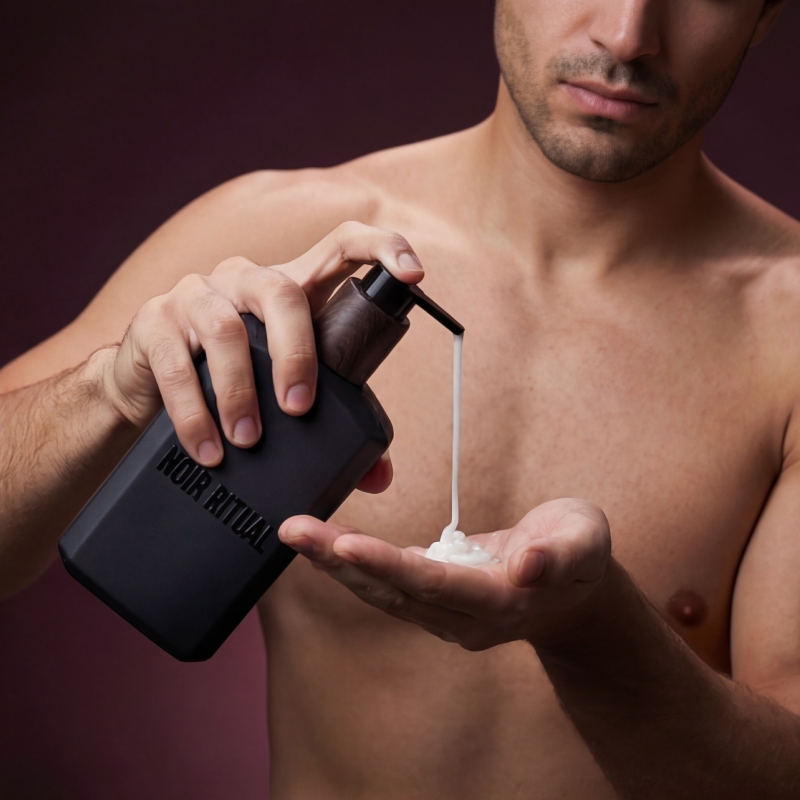
Replace Your Vitamin C With This 2-Step System
Two products. Two minutes. Twice a day. Everything you need to target pigmentation at the source.
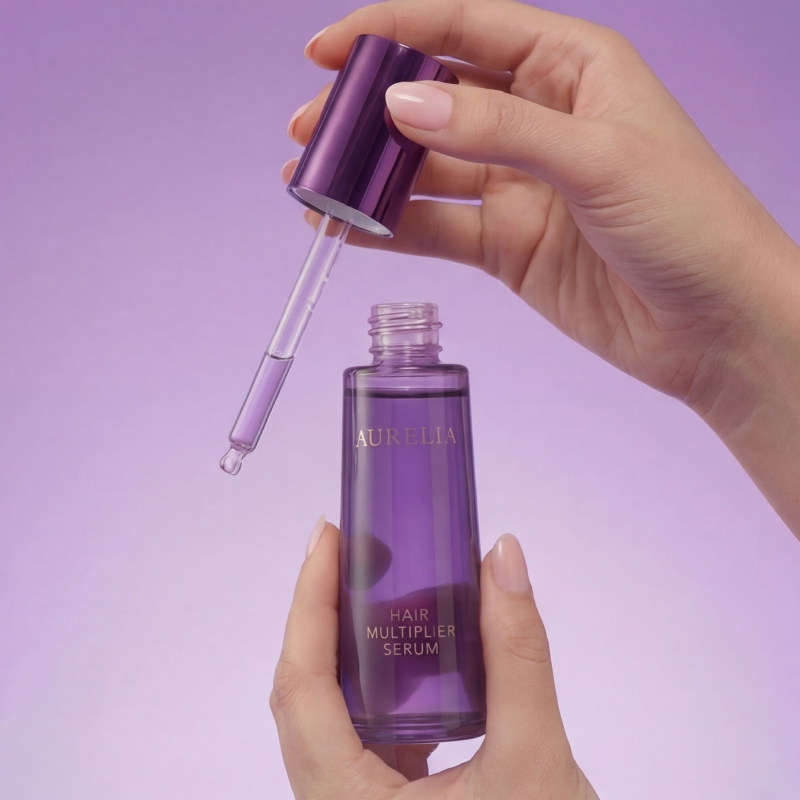
01
Morning
Enlighten Gold
Contains high-strength 4NB to inhibit pigment production all day, plus Niacinamide (Vitamin B3) and PHAs to brighten and gently exfoliate.
Contains high-strength 4NB to inhibit pigment production all day, plus Niacinamide (Vitamin B3) and PHAs to brighten and gently exfoliate.

02
Evening
Ultimate A Gold
Night cream with Retinal - the most effective OTC form of Vitamin A - to accelerate skin renewal overnight. Fades existing pigmentation while smoothing fine lines.
Night cream with Retinal - the most effective OTC form of Vitamin A - to accelerate skin renewal overnight. Fades existing pigmentation while smoothing fine lines.

03
Free Bonus ($x value)
Hydraboost HA Serum
Triple-weight Hyaluronic Acid for deep hydration. Apply before both AM and PM products to plump skin and boost absorption.
Triple-weight Hyaluronic Acid for deep hydration. Apply before both AM and PM products to plump skin and boost absorption.
01
Morning
Enlighten Gold
Contains high-strength 4NB to inhibit pigment production all day, plus Niacinamide (Vitamin B3) and PHAs to brighten and gently exfoliate.
Contains high-strength 4NB to inhibit pigment production all day, plus Niacinamide (Vitamin B3) and PHAs to brighten and gently exfoliate.
02
Evening
Ultimate A Gold
Night cream with Retinal - the most effective OTC form of Vitamin A - to accelerate skin renewal overnight. Fades existing pigmentation while smoothing fine lines.
Night cream with Retinal - the most effective OTC form of Vitamin A - to accelerate skin renewal overnight. Fades existing pigmentation while smoothing fine lines.
03
Free Bonus ($x value)
Hydraboost HA Serum
Triple-weight Hyaluronic Acid for deep hydration. Apply before both AM and PM products to plump skin and boost absorption.
Triple-weight Hyaluronic Acid for deep hydration. Apply before both AM and PM products to plump skin and boost absorption.
Rated 4.9/5 by 15,000+ Men
What Happens When You Switch From Vitamin C to 4-N-B
Unretouched photos. Real ESK customers. Typical results within 4–12 weeks.
I used to hit a wall at 3pm, now I'm crushing my workouts AFTER a 10 hour day. Brain feels 10 years younger.
Peak EnergyNo CrashBrain Fog
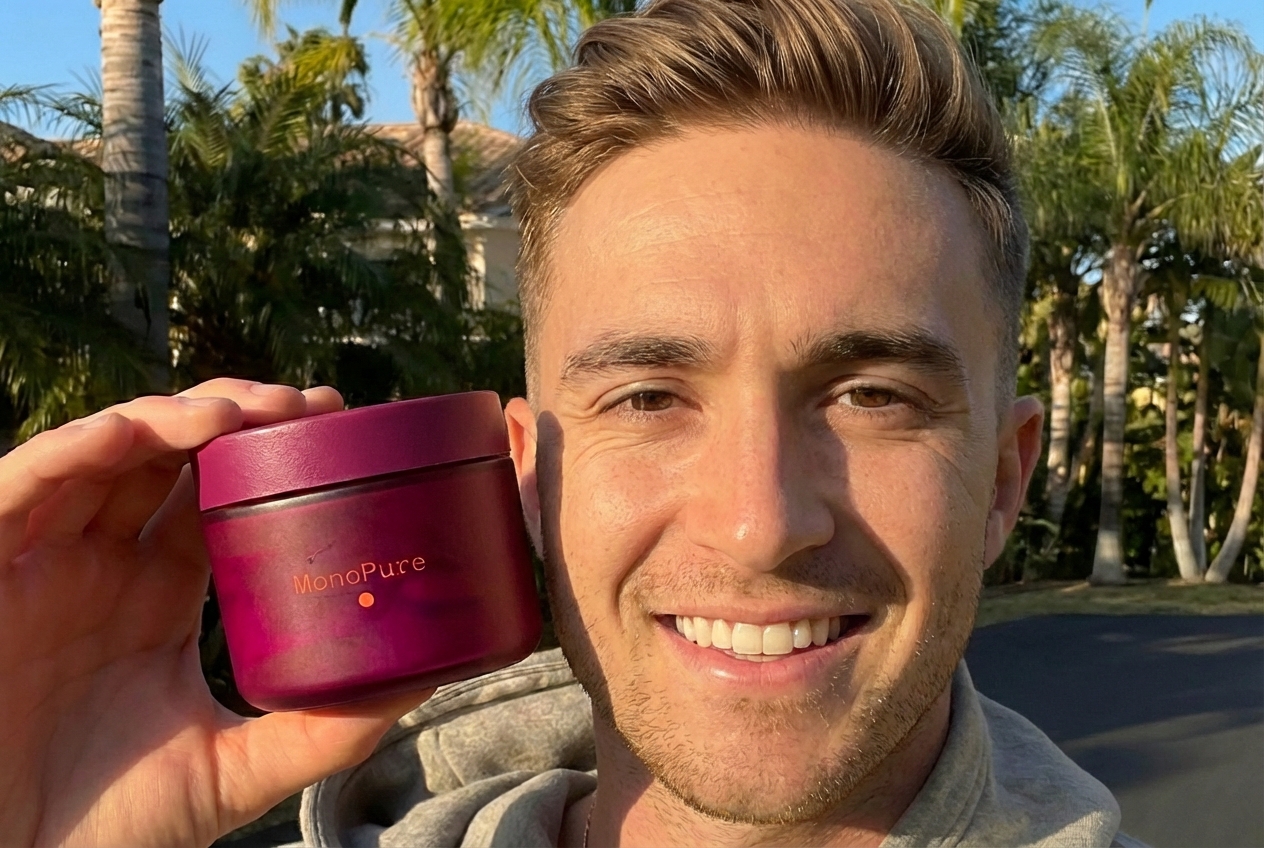
My recovery used to take days... now I'm back in the gym every morning. Finally found something that ACTUALLY works for guys my age.
Fast RecoveryJoint HealthHigh Performance
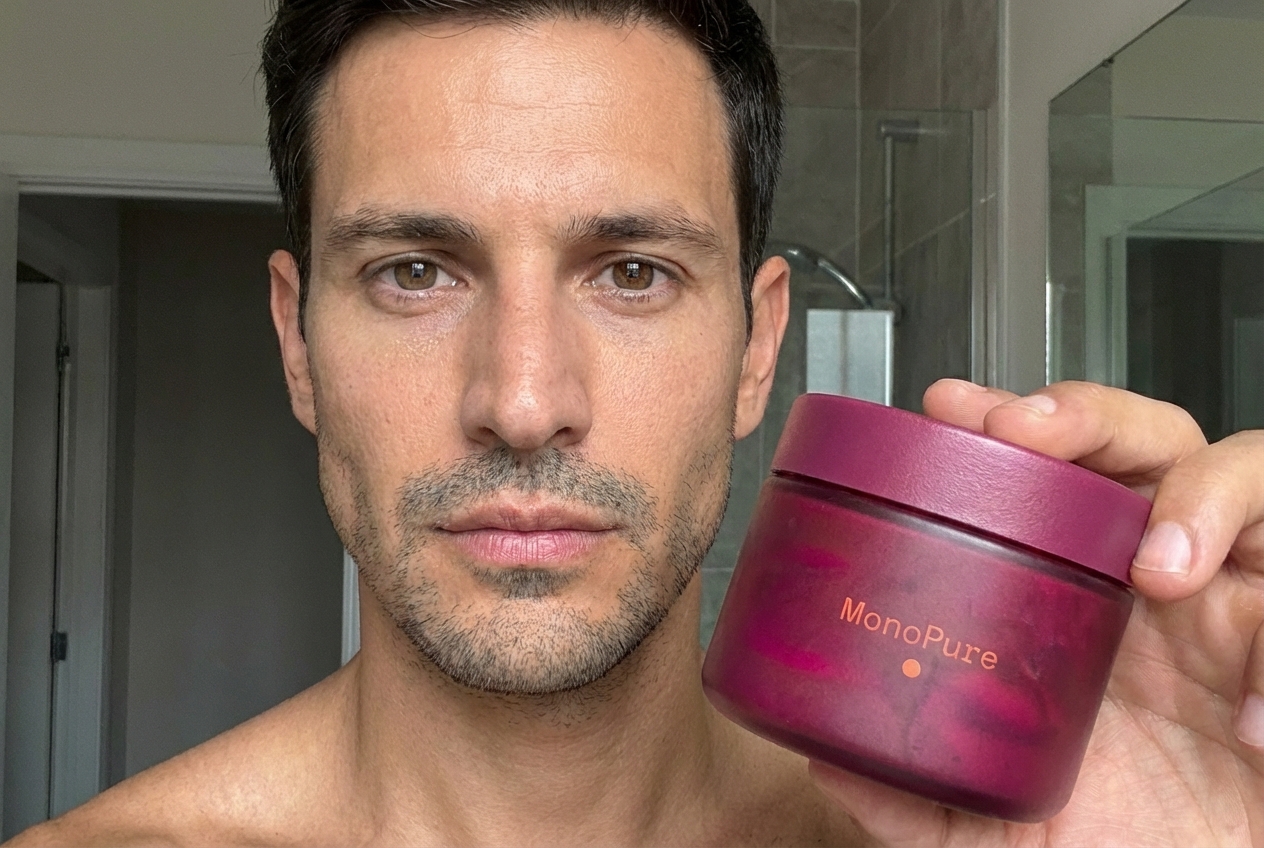
Replaced 12 different bottles with just MonoPure. It is so much easier and I honestly feel Better than taking everything separately. highly Recommend!
All-in-OneEfficiencySmart Science
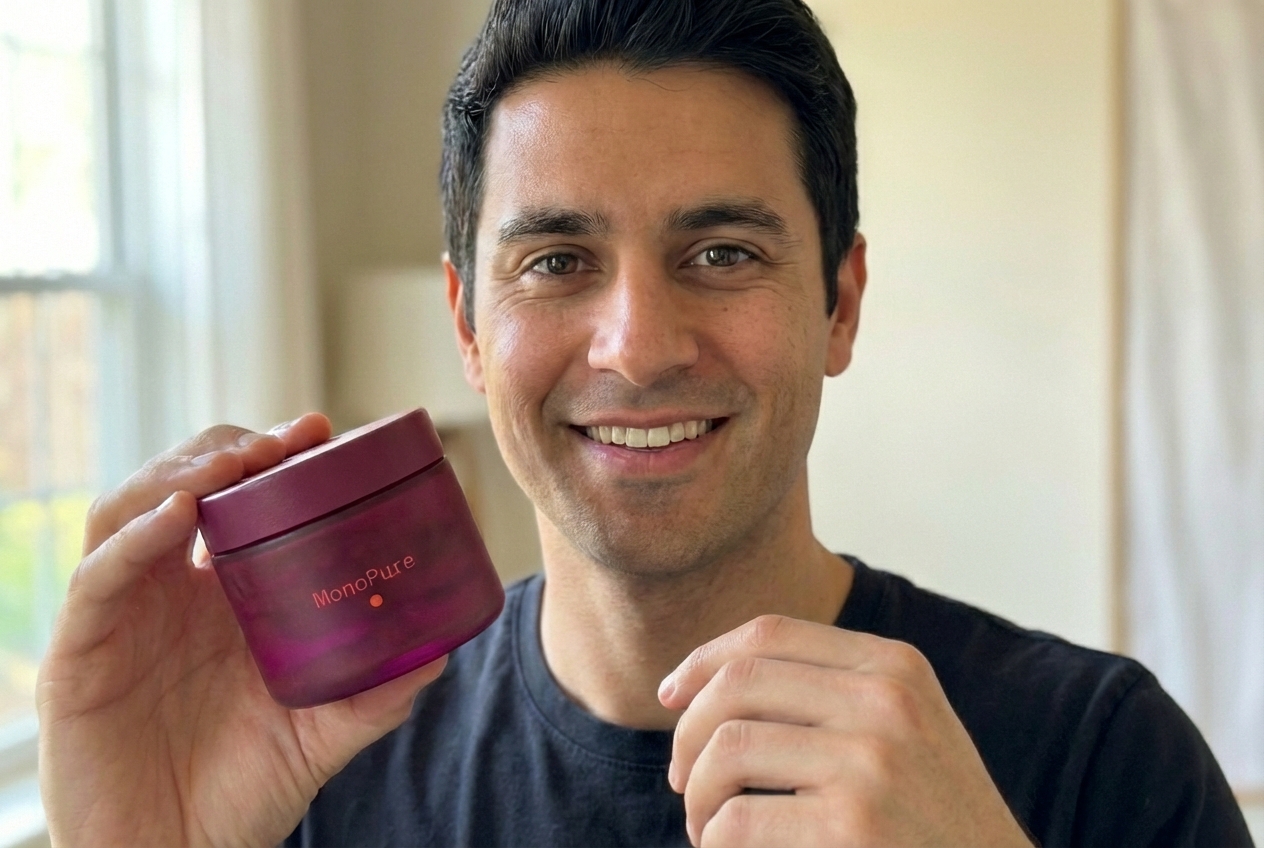
Sleeping like a rock for the first time in years. Waking up actually ready to go, no Caffeine needed. This is a Total game changer.
Deep SleepPure VitalityMorning Power
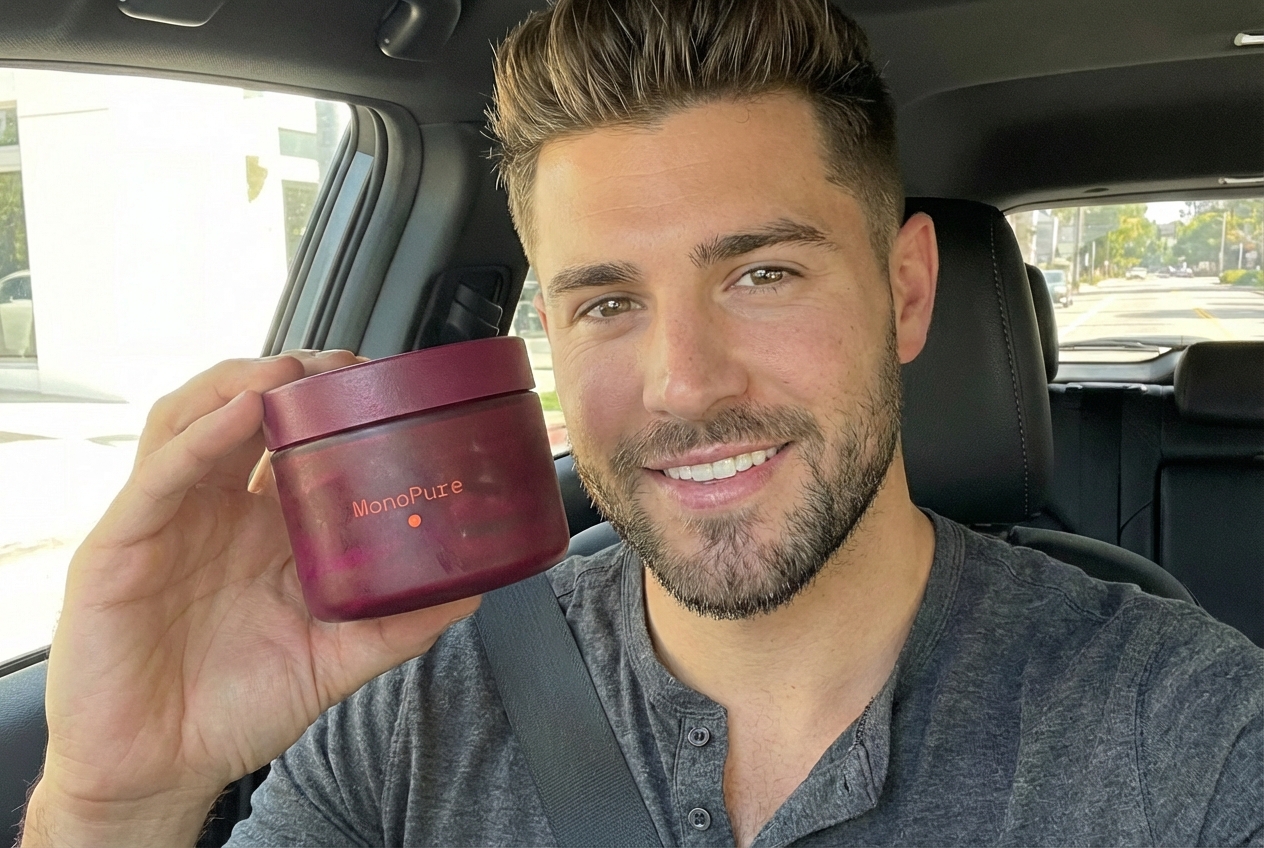
As a CEO, I need to be ON. This keeps my mind Sharp and my body feeling like I'm in my 20s again.
Mental ClarityLongevityDaily Ritual


Pigmentation Hero Kit
$239.00

They Made the Switch. Here's What Happened.
Join 4,700+ high-performers who stopped slowing down and started living.
60-Day Money-Back Guarantee
You've got nothing to lose, everything to gain. Try the Pigmentation Hero Kit for 60 days. If you're not seeing results, contact our Sydney-based team and we'll make it right. That's a promise from a doctor-led brand that stands behind the science.
Get Started Now
Commonly Asked Questions
Find answers to common questions about our product
Should I Stop Using Vitamin C Completely?
If your primary goal is fading dark spots, replacing your Vitamin C step with Enlighten Gold will give you far more targeted results. Enlighten Gold contains Niacinamide (Vitamin B3) which provides antioxidant protection similar to Vitamin C but with added pigmentation-fighting benefits. You can still use Vitamin C if you like, but Enlighten Gold does a better job at both brightening and actually fading pigmentation.
How Quickly Will I See Results?
Niacinamide delivers visible skin tone improvements within 3 weeks. The 4NB tyrosinase inhibitor shows significant pigmentation reduction after 2–3 months of consistent use. Most customers report noticeable changes within the first 4 weeks.
Will This Work On Melasma?
Yes - 4NB targets the tyrosinase activity that drives all common forms of hyperpigmentation including melasma, sun spots, and post-inflammatory pigmentation. Epidermal (surface-level) melasma responds well. Dermal (deeper) melasma may respond more slowly - a dermatologist can help determine your type.
Is It Safe For Sensitive Skin?
Yes. Unlike hydroquinone, 4NB is very well tolerated. The formula also includes PHAs (gentle exfoliants) and ceramides to support your skin barrier. It's designed for long-term daily use without irritation.
How Long Does The Kit Last?
Both 50ml products last 3–4 months with daily use. At $239, that's less than $2/day for a complete AM + PM system - comparable to what most people spend on a single Vitamin C serum that isn't addressing the root cause.